
Fairtrade, fair trade, fairly traded - what do they really mean?
Fairtrade to fair trade and fairly traded - with so many terms in use, it’s not always obvious what each one means or how to really know what you’re buying.

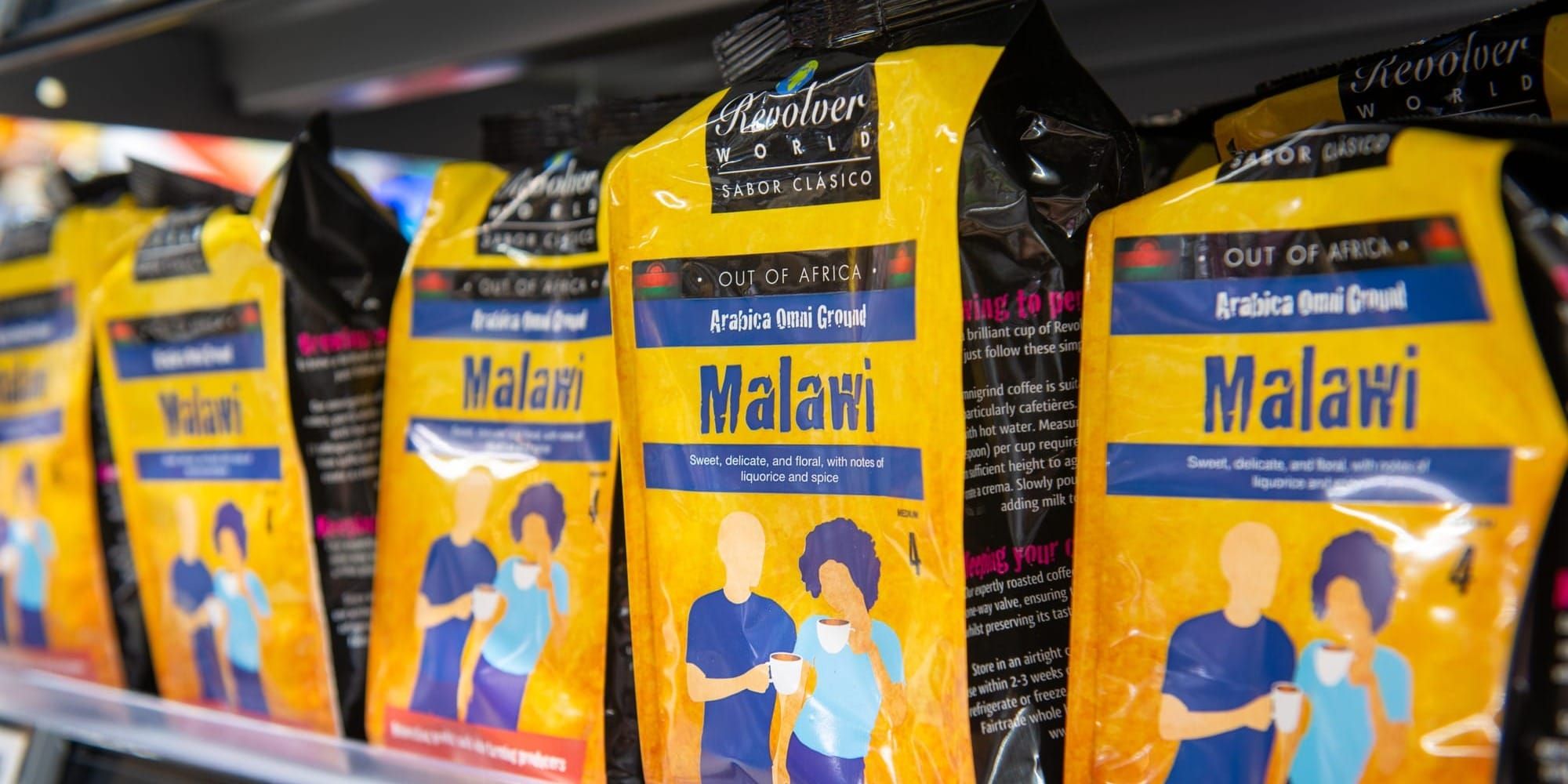
Walk down any supermarket aisle and you’ll see a growing number of products making ethical claims. From Fairtrade to fair trade and fairly traded, it’s clear that shoppers care about where their food comes from and how it’s produced.
But with so many terms in use, it’s not always obvious what each one means or how to really know what you’re buying.
The good news? Understanding a few key differences can help you make informed choices and support more ethical trade, whatever your budget.
At their heart, all of these terms point in the same direction: improving livelihoods for farmers and workers, especially in some of the world’s most vulnerable communities.
They’re about fairer prices, better working conditions and more sustainable farming practices. The difference lies in how those principles are defined, verified and communicated to shoppers.
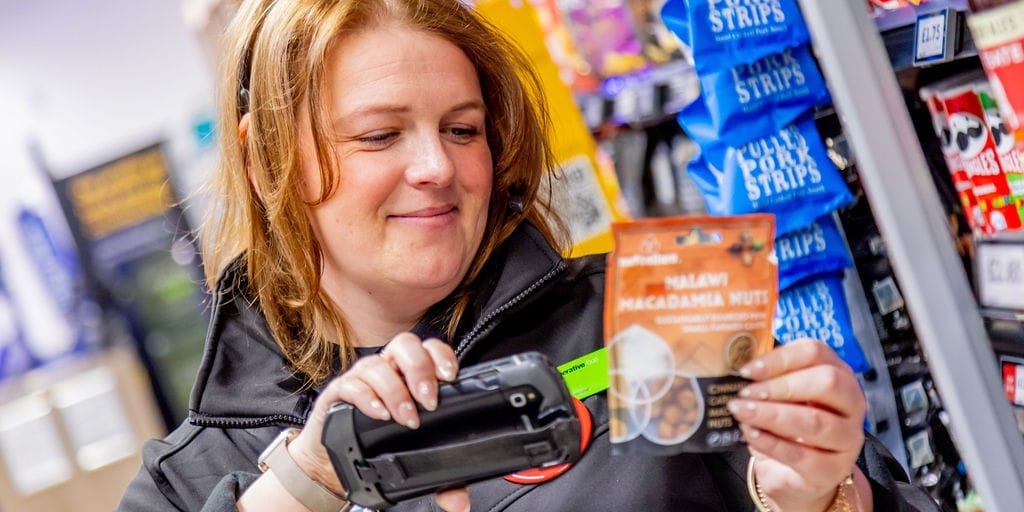
What is Fairtrade?
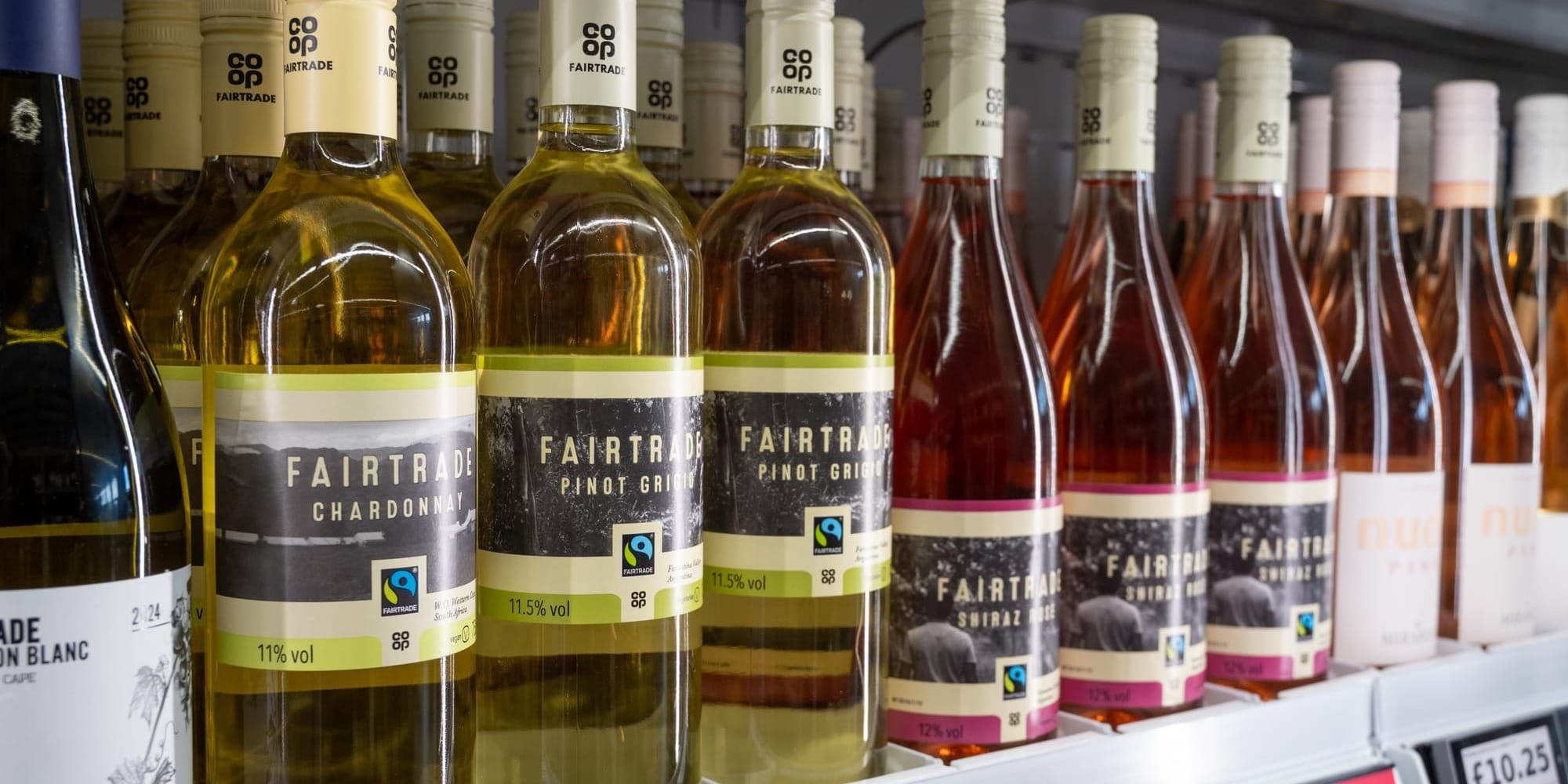
Fairtrade (one word) refers to a globally recognised certification system. When you see the Fairtrade Mark, you know that product has met internationally agreed standards covering social, environmental and economic practices.
The simplest way to be sure a product meets recognised ethical standards is to look for the Fairtrade Mark - the familiar blue and green logo. But even within Fairtrade, there are a few variations worth knowing:
- All That Can Be Fairtrade: All ingredients that can be certified are fully Fairtrade and traceable from farm to shelf.
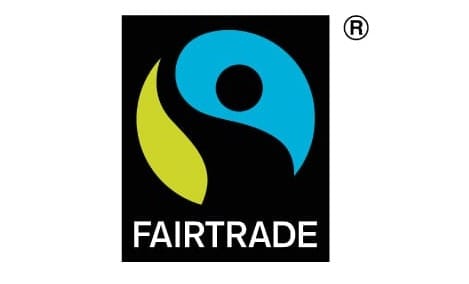
- Mass Balance (with arrow): The total volume is bought on Fairtrade terms, but may be mixed with non-certified ingredients during processing. Farmers still receive the full benefits.
- Fairtrade Sourced Ingredient (FSI): A specific ingredient (like cocoa) is sourced on Fairtrade terms, even if the whole product isn’t certified.
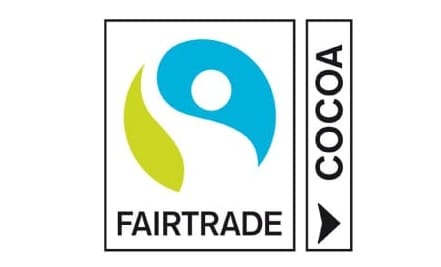
These standards are independently audited and ensure that farmers and workers benefit from a Fairtrade Minimum Price designed to cover sustainable production, additional Fairtrade Premium which communities invest in things like education, healthcare or infrastructure, and protections for workers’ rights and the environment.
Today, more than 2 million farmers and workers across almost 80 countries are part of the Fairtrade system.
Co-operatives have played a leading role in this movement for over 30 years, and many everyday own-brand products are Fairtrade certified. These include all own-brand tea, coffee, bananas, all own-brand cocoa used as an ingredient (such as in chocolate and bakery products), all bagged sugar and wide range of flowers, including 100% Fairtrade roses in bouquets.
In fact, co-ops were the first UK retailers to introduce Fairtrade products across all stores, the first to switch all own-brand coffee to Fairtrade, and the first to source all own-brand cocoa on Fairtrade terms - demonstrating how ethical sourcing can be scaled across everyday essentials.
What about fair trade?
Fair trade (two words) is a broader term. It describes the wider movement and principles behind ethical trading, supporting producers through fairness, transparency and long-term relationships.
Unlike Fairtrade certification, the term itself isn’t regulated. That means it can be used in different ways - by organisations that follow internationally recognised fair trade principles (such as those linked to the World Fair Trade Organization), by businesses working directly with producers to create fairer supply chains, or sometimes more loosely, without formal verification.
It’s helpful to think of fair trade as a bigger ecosystem - one that includes certification like Fairtrade, but also innovative partnerships and models that go beyond labels.
How to shop with confidence
If you’re trying to make more ethical choices, here are a few simple tips:
- Look for certification marks like the Fairtrade logo if you want independently verified standards
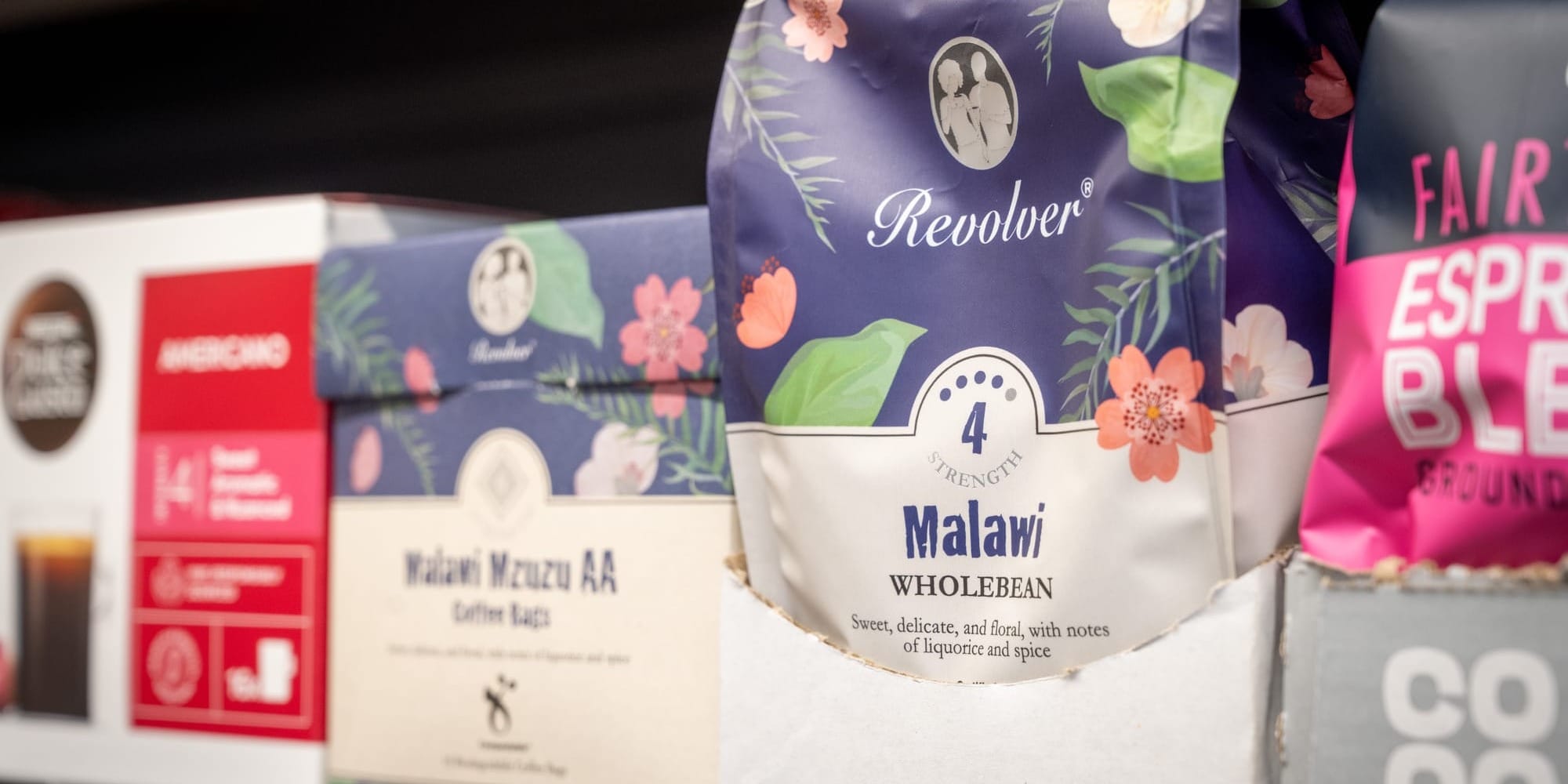
- Learn about the brand or product - many companies share detailed information about how they source and support producers, and often it’s just on the packaging
- Understand different labels - some products may focus on a single Fairtrade ingredient, while others take a broader fair trade approach
The key is not to choose “one or the other”, but to feel confident recognising credible efforts to trade more fairly.
Going beyond labels: fair trade in action
Alongside Fairtrade-certified products, many organisations are working directly with farmers to build fairer, more resilient supply chains.
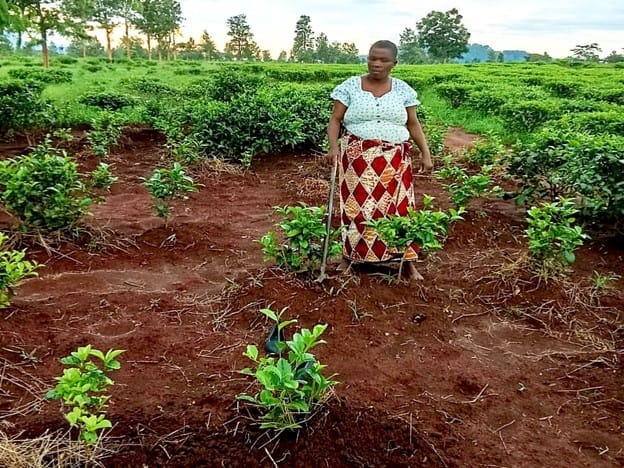
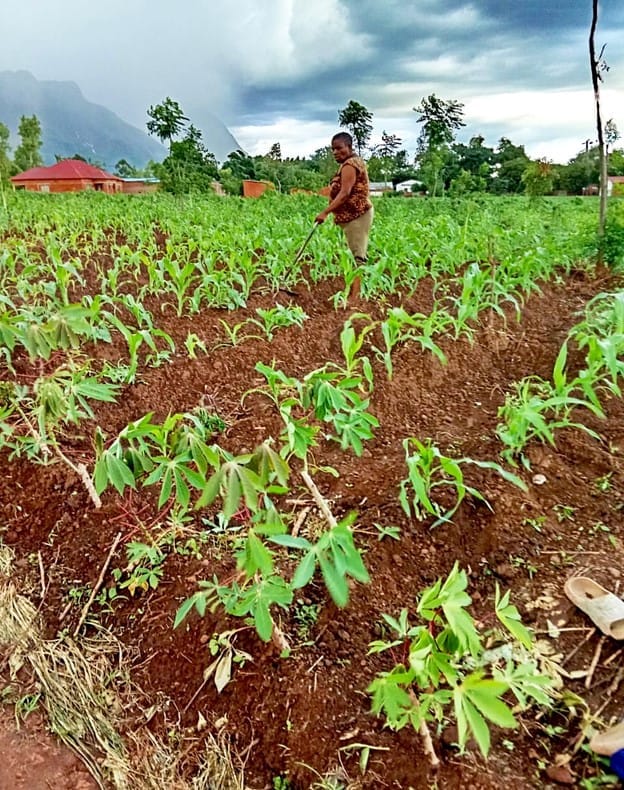
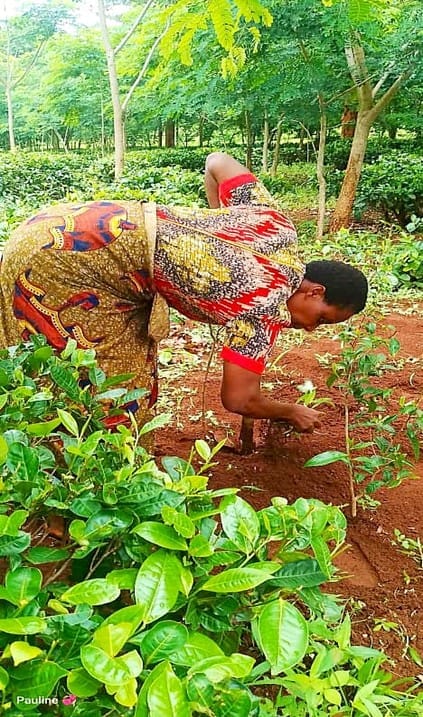
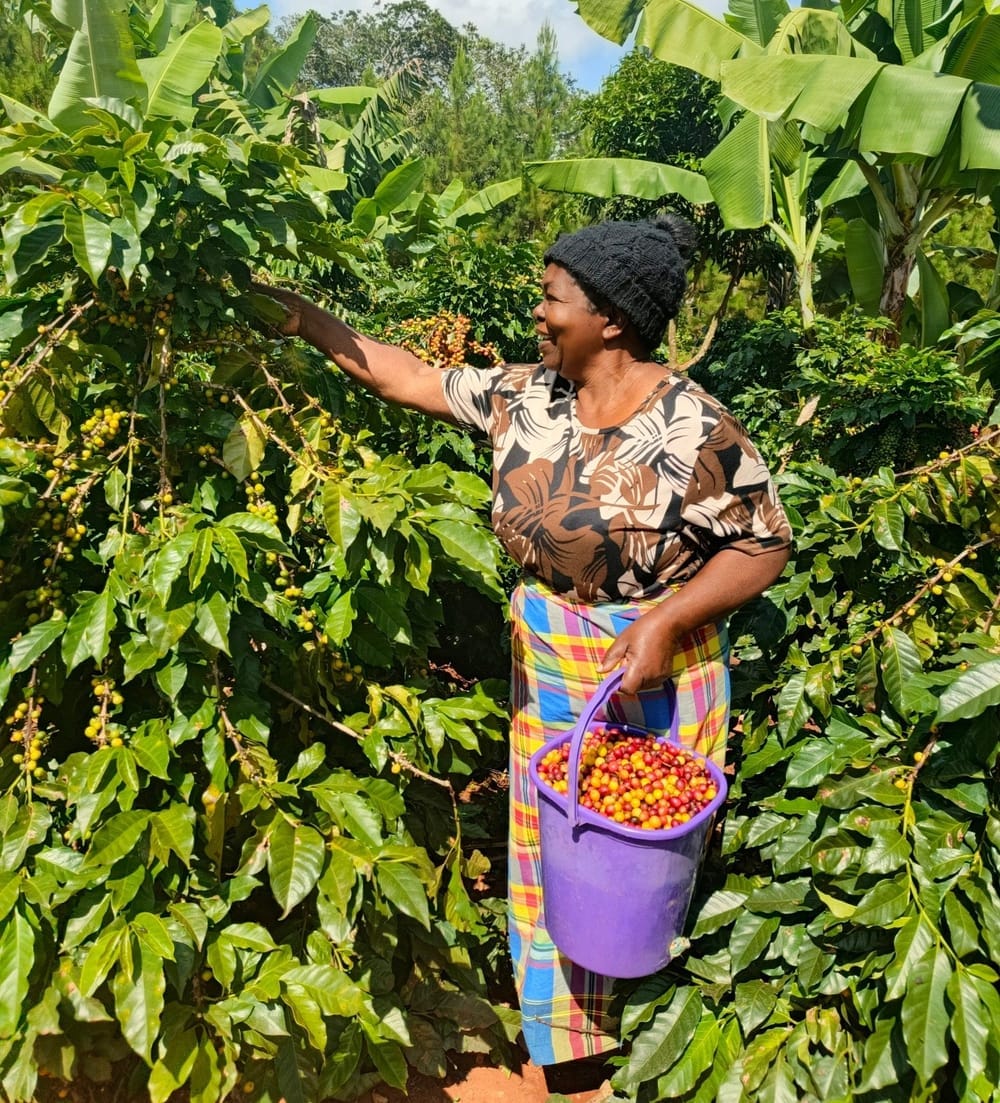
One example is Our Malawi Partnership - a long-term, trade-led initiative connecting Malawian smallholder farmers directly with UK consumers. Delivered in collaboration with the Malawi Federation of Co-operatives (MAFECO), the partnership strengthens farmer co-operatives through agricultural training, governance development, access to clean water and reforestation.
The initiative has delivered measurable economic, social and environmental impact, including:
- Over £1 million in product sales supporting sustainable farmer incomes
- 37,000 people gaining access to clean water
- Nearly 20,000 trees planted annually
- Expanded training in organic fertiliser production, governance and climate resilience
This kind of model shows how fair trade principles can be applied in practice, creating long-term relationships that help communities grow and thrive. And for farmers themselves, the impact is clear:
Fanny Ndemanga, a tea farmer, explains: “I have learned to produce organic fertiliser and diversify my production… This has directly contributed to achieving food security for my household.”
Mercy Lupiya, who rebuilt her farm after extreme weather, adds: “This is generational wealth I can pass down to my children… my family is now food secure.”

Small choices, big impact
Ethical shopping isn’t about perfection, it’s about progress.
Whether you choose a product with the Fairtrade Mark or one that supports fair trade through direct partnerships, you’re helping to create demand for fairer, more sustainable supply chains.
Co-operatives have championed this approach for decades, helping to lead the way in ethical sourcing and showing how trade can be a force for good.
Because ultimately, it’s not just about what’s on the label, it’s about the people behind the product. And every time you choose to shop more ethically, you’re helping to build a fairer future for them.