Our Malawi Partnership - making a meaningful difference.
We’ll continue to provide practical support to co-operative smallholder farmers through Our Malawi Partnership.
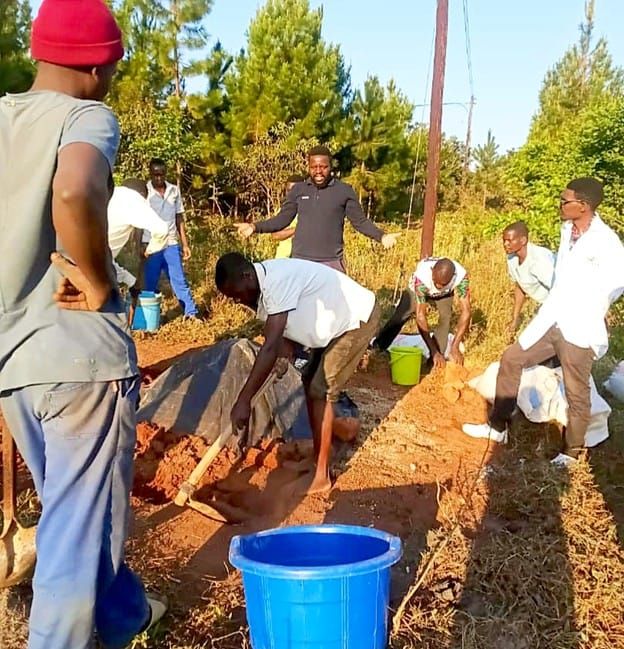
While we celebrated over the festive period in the UK, Our Malawi Partnership has continued to improve people's lives and outcomes Malawi.
As we enter the the new year Malawi is in the midst of its 2025/26 rainy season, with persistent heavy downpours, that started back in December 2025, triggering widespread flooding and flash flood conditions.
There have been high-risk flood warnings for early January, as continuous rains swelled rivers and washed away key infrastructure across various regions. Floods have already affected more than 1,000 households, impacted over 42,000 people, and destroyed homes and property across the country.
Malawian communities are resilient and will take action to limit the impact of flooding now and for the future including natural methods for flood prevention, such as better land & soil management and tree planting to intercept rainfall, increase infiltration, and slow water movement across landscapes.
Our thoughts are with them, and we’ll continue to provide practical support to co-operative smallholder farmers through Our Malawi Partnership.
We wanted to share some updates directly from the people we’re working with in Malawi to help secure a better future for them.
Supported by our Members, Customers, colleagues and partners, we’ve achieved so much through Our Malawi Partnership and we look forward to building on that success throughout 2026. When we launched the initiative in July 2022, we invited a selection of smallholder farmers we were supporting to be part of a ‘Member Journey’ group that provides us with critical insights and feedback on their experience.
We worked with Malawi Federation of Co-operatives (MAFECO), who support in delivering the initiative on the ground, to conduct field visits and survey our Member Journey Farmers.
Here is a sample of the feedback we’ve received
Background
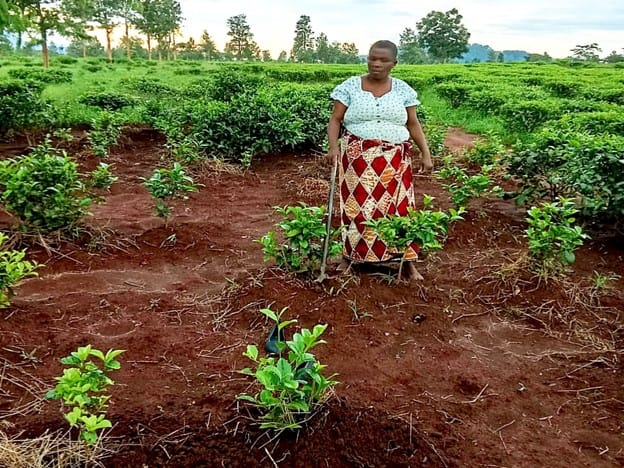
Fanny, with over a decade of experience in tea production, had seen limited returns from her efforts, citing systemic challenges such as a lack of structured markets and limited access to certified agricultural inputs.
Regarding Our Malawi Partnership, she says:
"The programme arrived at a critical time. It has fundamentally shifted my mindset, empowering me to plan proactively and prepare for uncertainties. Through different trainings, I have learned to produce organic fertiliser from available waste materials and to diversify my production. This knowledge has directly contributed to achieving food security for my household."
“The knowledge gained from these initiatives has been transformative at a personal level. I am now systematically applying principles of financial management and strategic planning within my household, which has significantly improved our economic resilience and decision-making.”
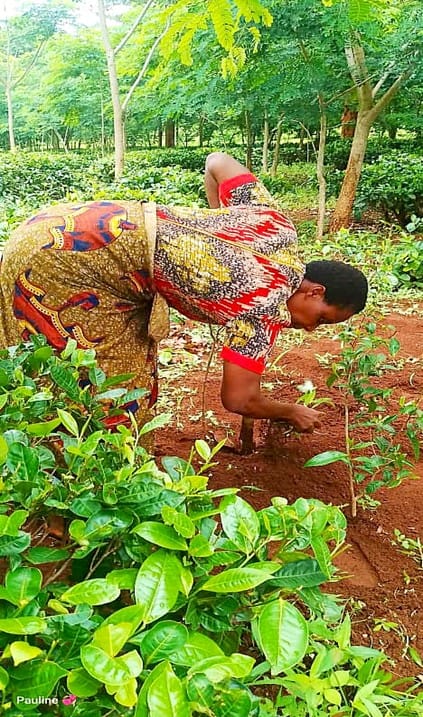
Mercy Lupiya – Mulatho Secondary Co-operative
Background
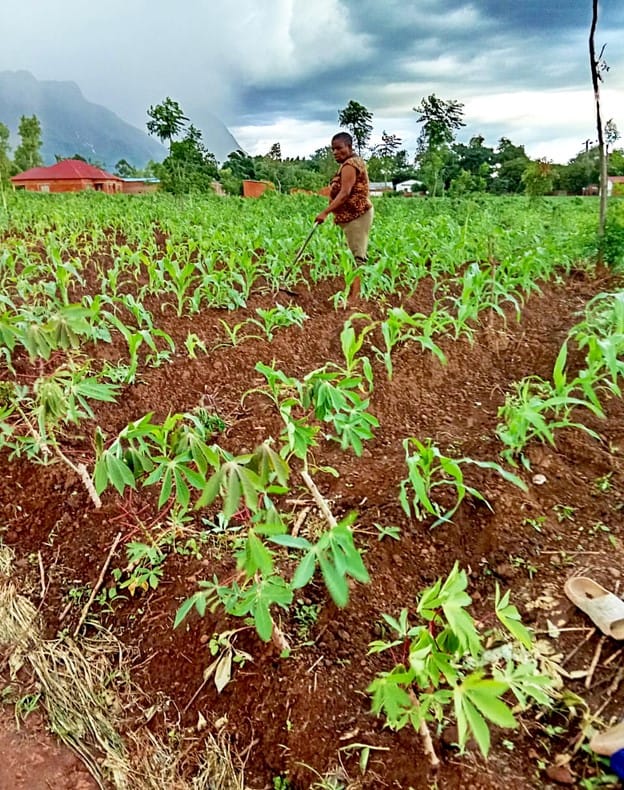
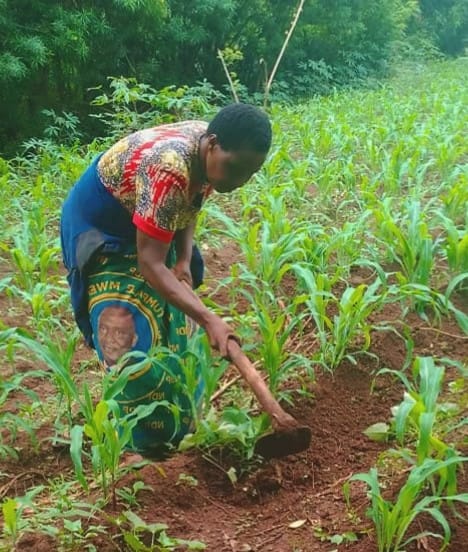
Mercy Lupiya's story is one of unwavering resilience. When Cyclone Freddy struck two years ago, it swept away nearly all she had, sparing only her tea fields and home. Undeterred, Mercy began anew. She strategically diversified her production, introducing drought-tolerant crops like cassava and bananas to build a more resilient farming system.
Here is what she says about impact of Our Malawi Partnership on her life:
"The partnership supported our co-operative with tea seedlings from which am a beneficiary. My plantation was previously filled with gaps from trees lost to extreme weather. This support enabled me to fully restore my farm. To me, this assistance is profound—it's not just about the present, but about building a legacy. This is generational wealth I can pass down to my children."
"Despite many challenges we faced, my family is now food secure. This milestone was made possible through the project's organic fertiliser training. By applying what I learned, I've managed to lower the production costs and built a stronger, more self-sufficient farm."
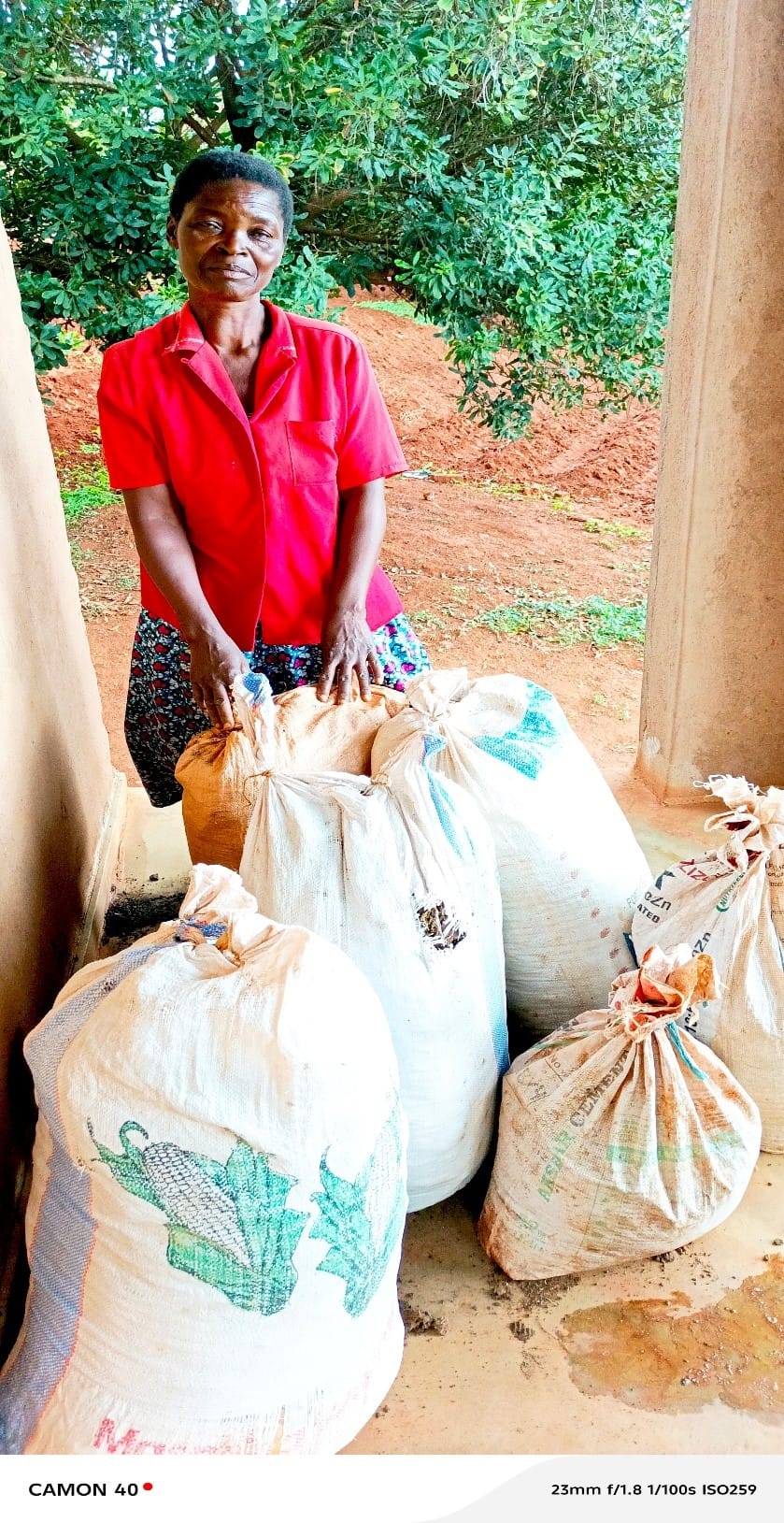
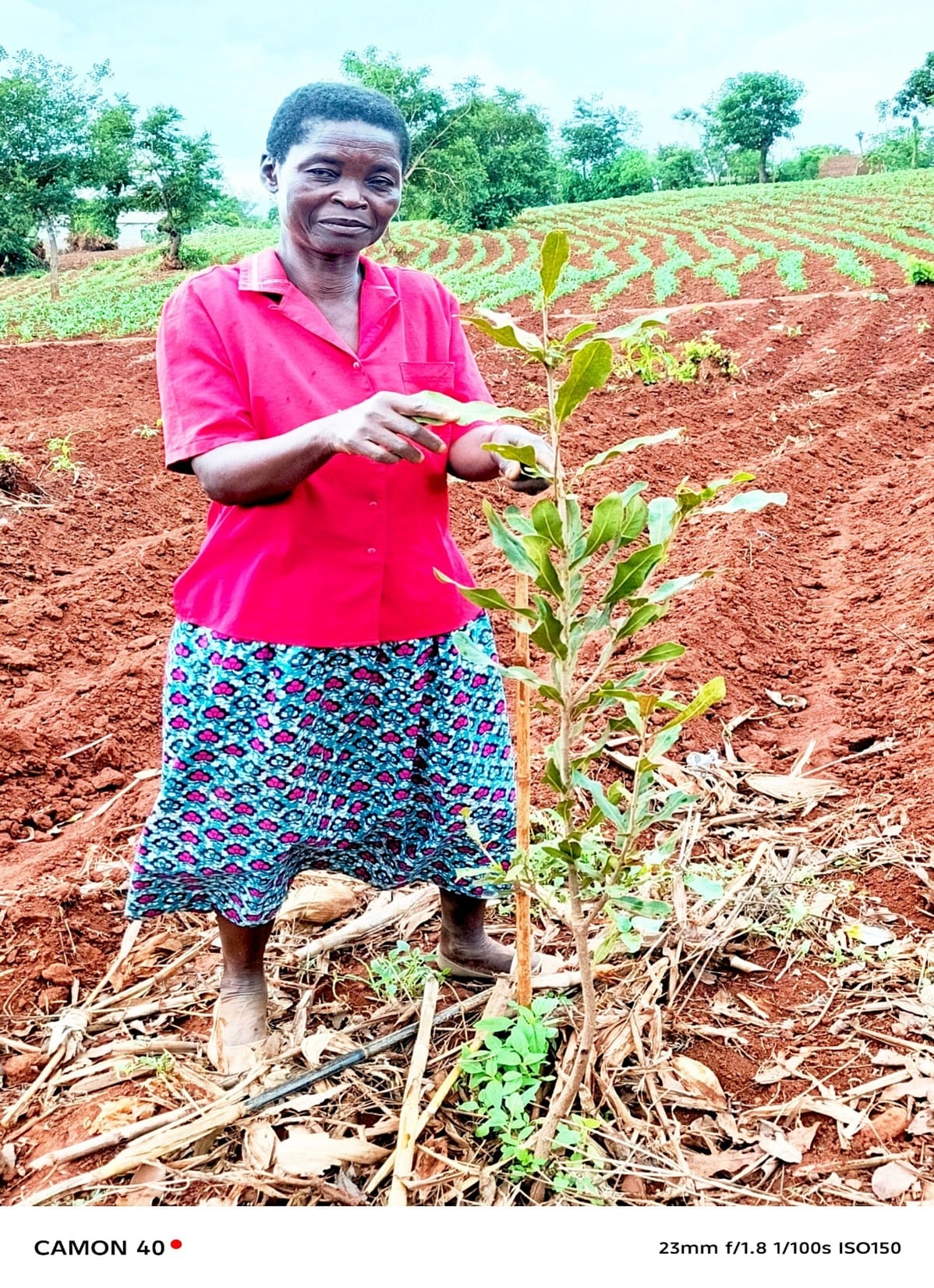
Rosemary Kaphadzale -Highlands Macadamia Co-operative Union Limited
Background
An industrious macadamia farmer, Rosemary employs integrated farming practices to maximise her land's potential. In addition to her macadamia trees, she cultivates maize and groundnuts, using intercropping techniques to plant legumes between her macadamia rows.
Regarding the initiative, Rosemary says:
"The partnership has served as a critical catalyst for change. Specifically, the organic fertiliser training enabled me to reduce production costs by approximately 50%. By converting farm waste into valuable organic inputs, I now effectively nourish both my macadamia and maize fields. In my dual roles as a Lead Farmer and Chairperson of our primary co-operative, I am actively sharing this knowledge, empowering fellow members to adopt these sustainable and cost-effective practices."
"The project's support in achieving Fairtrade certification for our secondary co-operative has been transformative. It has renewed the enthusiasm of many members who were once disheartened by unpredictable market prices. We are already seeing positive effects, including membership growth in our primary co-operatives, because farmers now have confidence in a stable and fair market for their produce."
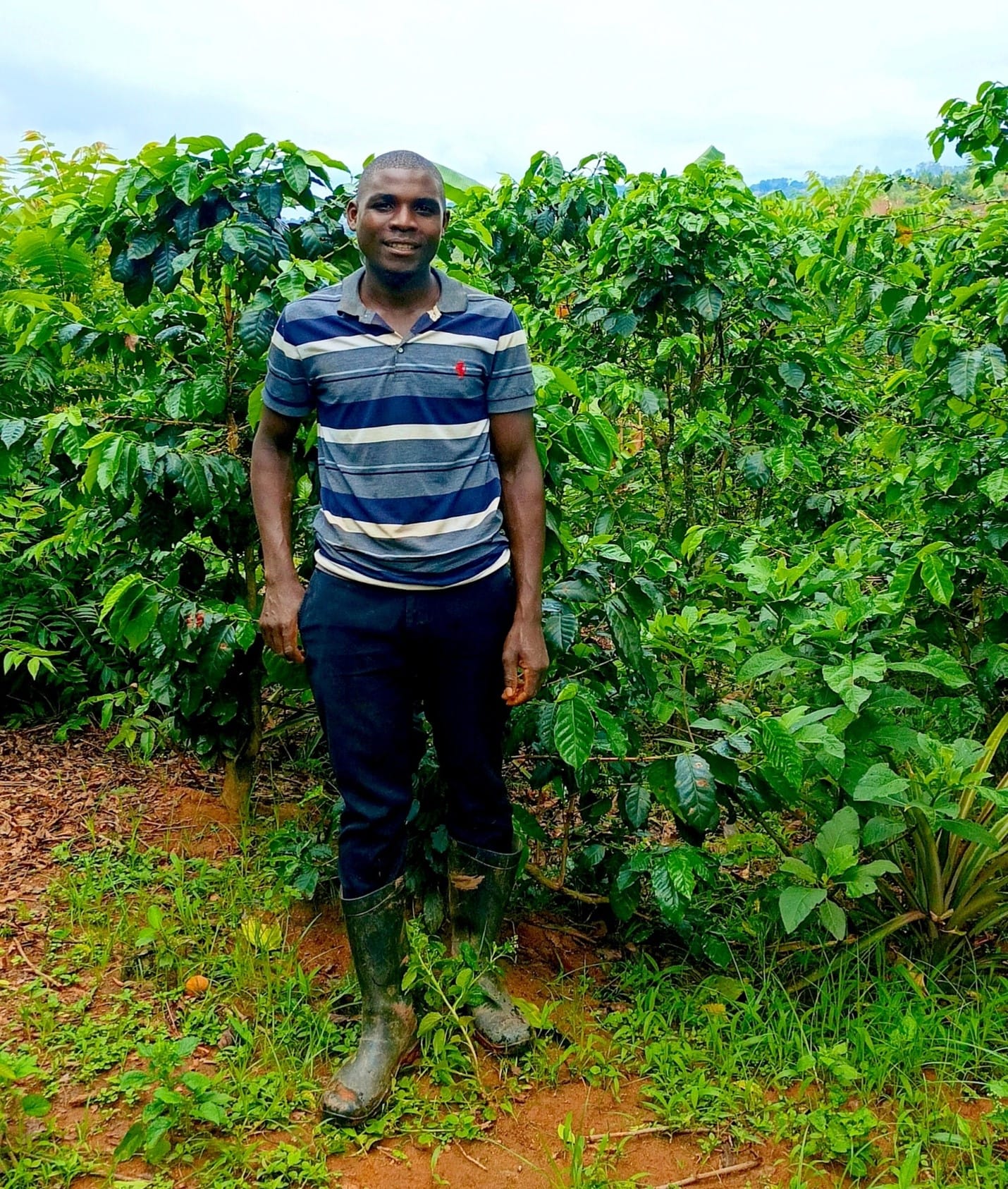
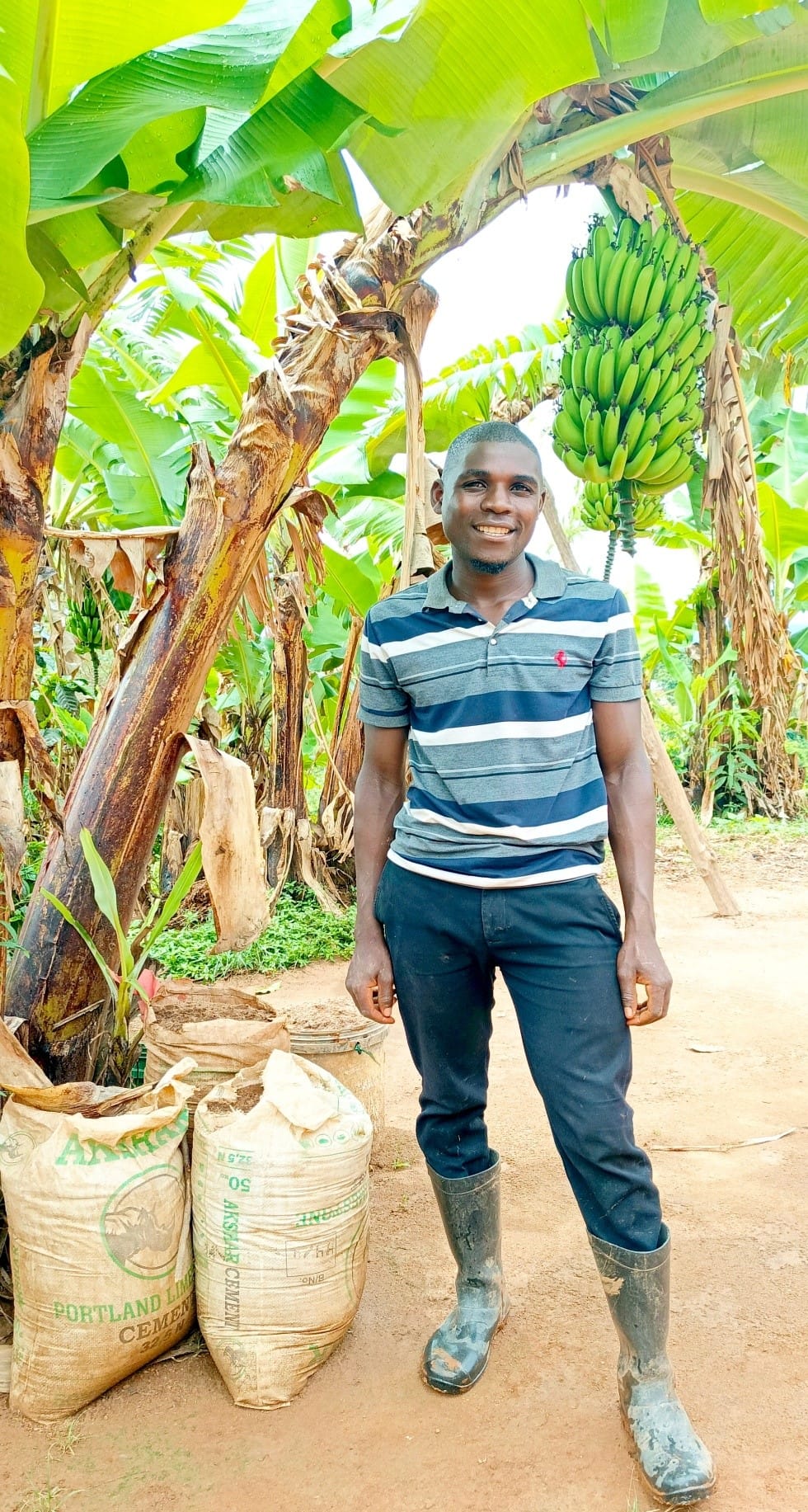
Boyfat Ngulube – Mzuzu Coffee Co-operative Union
Background
Boyfat is a young, enterprising coffee farmer and a member of the Nkhatabay Highlands Coffee Producers Co-operative, an affiliate of the Mzuzu Coffee Co-operative Union. Demonstrating significant leadership potential, he was elected Chair of the "Youth in Coffee Production" initiative earlier this year, a role dedicated to inspiring the next generation of coffee farmers in the region.
On Our Malawi Partnership, Boyfat shared the following:
“I have benefited directly from the programme’s training in organic fertiliser production and crop diversification. Alongside coffee, I have integrated horticulture into my farming system. The combined income from these diversified crops has enabled me to renovate my home, transitioning from a grass-thatched roof to a more durable structure with iron sheets.”
"Most importantly, I now serve as a role model for youth in my community. We are witnessing a positive shift, with more young people viewing coffee farming as a viable livelihood. As a lead farmer, I am committed to scaling this impact by training my peers in sustainable and environmentally sound agricultural practices."
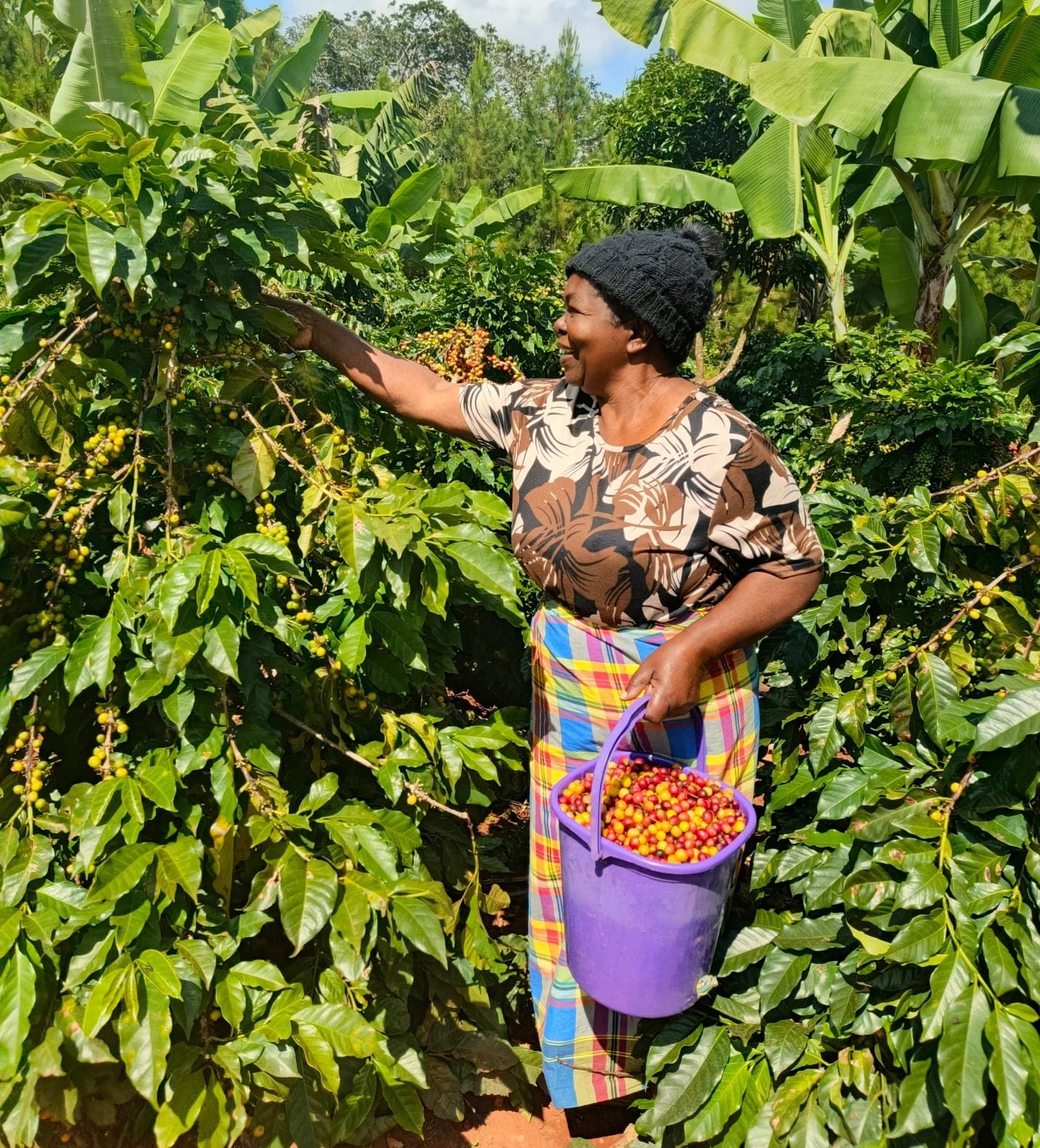
Minnie Mangochi – Nkhatabay Highlands Coffee Co-operative Union
Background
A living example of diversified farming, she has built a resilient agribusiness venture from the ground up. Starting with coffee, she reinvested her profits to establish a dairy operation, creating a holistic farm model. Strategically situated near Mzuzu City in Northern Malawi, her enterprise not only produces coffee, horticultural crops, and livestock but also contributes to the local economy by employing three people full-time. She is supplying milk to restaurants and households in Mzuzu.
Minnie's reflections on Our Malawi Partnership:
"While I've participated in lots of valuable training through the initiative, the organic fertiliser component has been truly transformative. I now manufacture fertiliser directly on my farm from livestock waste, drastically cutting production expenses. Fellow members come to my farm to learn organic fertiliser making. This innovation, integrated with my diversified farming model, has led to a marked improvement in my net profitability."
“We have seen a notable improvement in our coffee market, specifically in the reliable and timely payment to farmers. This positive shift is complemented by enhanced governance and member engagement, fostered through dedicated training. These initiatives have successfully bolstered member loyalty, resulting in a stronger commitment to aggregating and selling coffee through the co-operative.”
Background
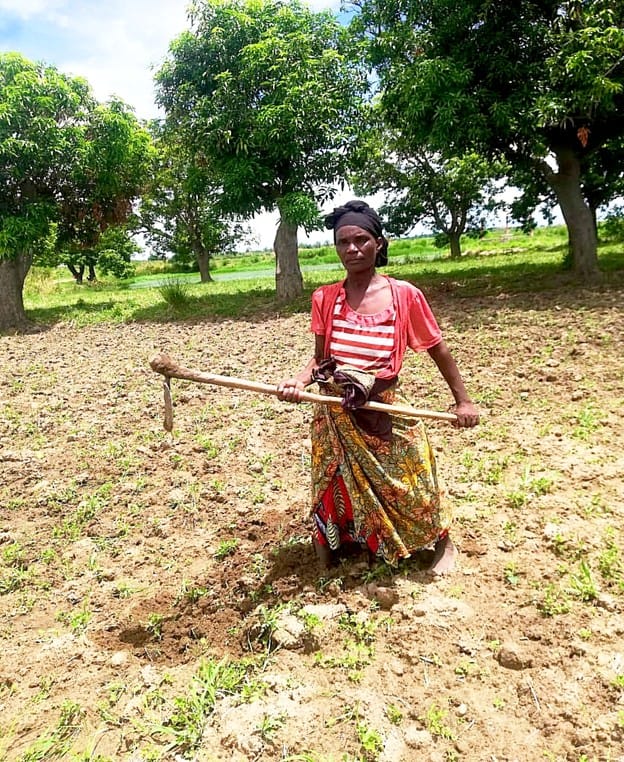
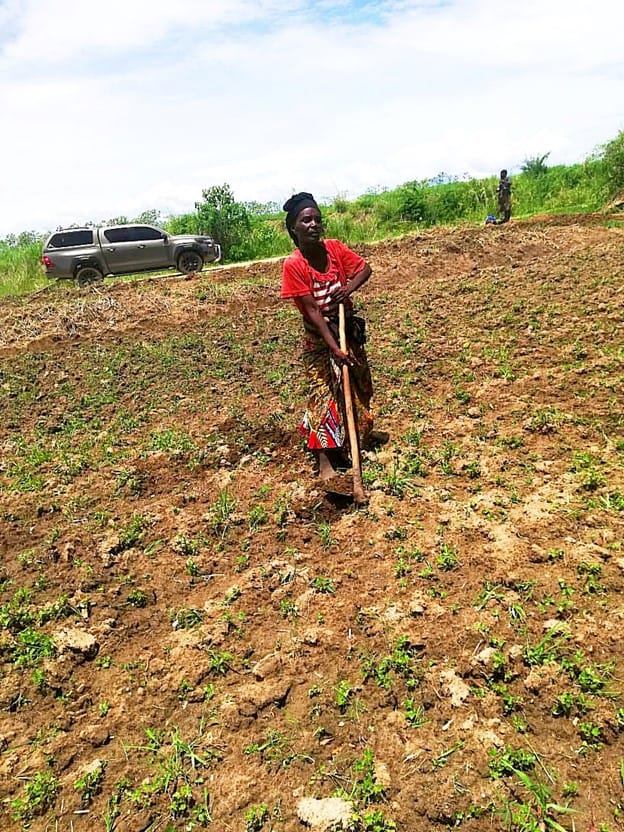
Gladys began her agricultural journey as a smallholder rice farmer. A pivotal change occurred upon joining a co-operative, which was further accelerated by support from Our Malawi Partnership. Prior to this, her operation was limited to a single annual harvest.
After participating in comprehensive capacity-building training, she has successfully moved to producing twice per year. She attributes this transformation to improved planning methodologies and the strategic adoption of diversified sustainable production techniques.
This is what she had to say about Our Malawi Partnership:
“A key achievement of the initiative was supporting the formation and legal registration of the Nkhotakota Rice and Legume District Co-operative Union. The union now comprises nine primary co-operatives, creating a stronger collective entity. This structure will significantly improve our trading position by aggregating supply to meet larger market demands—opportunities that were previously inaccessible to our primary co-operative alone.”
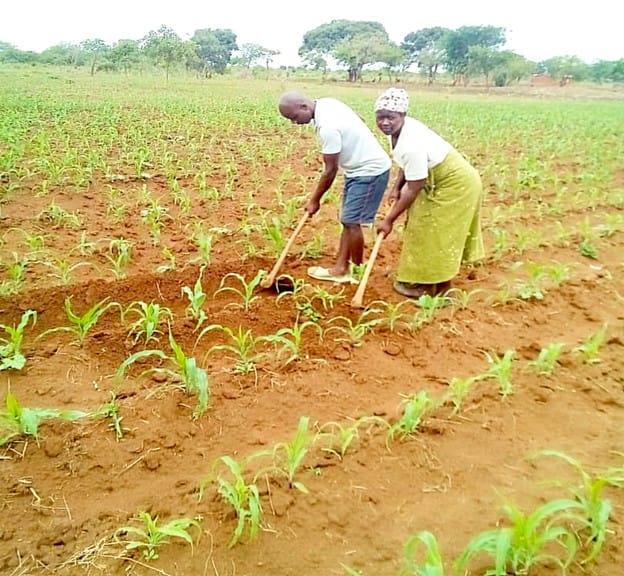
Temwa Zimba – Mzimba South Co-operative Union
Background
Temwa is a dedicated legume farmer who has successfully reinvested her income to venture into livestock. When a prolonged dry spell recently impacted her community, her co-operative took proactive measures by distributing tree seedlings as part of a broader environmental care initiative. Temwa has emerged as a leader in this effort, chairing the co-operative's dedicated environmental stewardship committee.
When asked about Our Malawi Partnership, Temwa said:
"As the Lead Farmer and Chair of our environmental committee, I find the organic fertiliser training perfectly aligns with our co-operative's goals. Implementing these practices has enabled me to lower my operational costs and secure a consistent food supply for my family."